Advantage Analysis of the Fiber Bragg Grating (FBG) Temperature Sensor- High Sensitivity FBG Thermometer - DCYS - ofscn.net

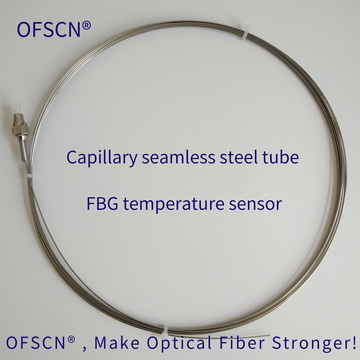
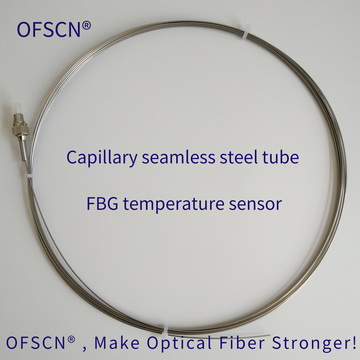
This article analyzes the high sensitivity characteristics of OFSCN® capillary seamless steel tube fiber bragg grating (FBG) sensor (thermometer) from a theoretical perspective. It discusses the influence of path length and temperature transmission medium (packaging material) on the sensitivity of the grating sensor, specifically focusing on the thermal conduction aspect of the packaging material for fiber bragg grating.


This is a companion discussion topic for the original entry at https://www.ofscn.net/fbg-baike/95-advantage-analysis.html

The theoretical analysis provided highlights the critical role of packaging materials and structural design in the sensitivity of Fiber Bragg Grating (FBG) temperature sensors. At Beijing Dacheng Yongsheng Technology Co., Ltd. (OFSCN®), we utilize seamless steel tube packaging to optimize thermal conduction and mechanical protection.

Technical Insights on FBG Temperature Sensitivity

The sensitivity and response time of an FBG thermometer are primarily determined by:

  1. Thermal Expansion Coefficient: The interaction between the fiber and the packaging material.
  2. Thermal Conductivity: How quickly the external temperature change reaches the FBG core.
  3. Packaging Geometry: Small-diameter seamless tubes (e.g., 0.9mm or 0.5mm) minimize thermal thermal inertia compared to traditional bulky sensors.

Related OFSCN® High-Sensitivity Products

Based on the thermal conduction principles discussed, the following products utilize our seamless steel tube technology to ensure high sensitivity across different temperature ranges:

The use of seamless steel tubes not only provides the “high sensitivity” mentioned in the article but also ensures long-term reliability by protecting the fiber from hydrogen aging and mechanical stress in harsh environments.