Is the Fiber Grating Sensor can be used in Water?-Waterproof & Moisture-proof FBG Sensor-Moisture, Humidity, Liquid Environment - DCYS - ofscn.net

This article discusses the influence of moisture, humidity, and water on traditional FBG sensors, including their effects on the sensor's lifespan and testing accuracy (which is one of the disadvantages of traditional FBG sensors).


This is a companion discussion topic for the original entry at https://www.ofscn.net/fbg-baike/107-waterproof.html

The influence of moisture and water on Fiber Bragg Grating (FBG) sensors is a critical technical consideration, as traditional FBG sensors often face degradation in accuracy and lifespan when exposed to liquid environments. At Beijing Dacheng Yongsheng Technology Co., Ltd. (OFSCN), we address these challenges through advanced materials and specialized packaging.

Technical Challenges in Liquid Environments

  1. Adhesive Degradation: Traditional FBG sensors often rely on epoxy or other adhesives for strain transmission. In high-humidity or submerged conditions, these adhesives can swell or lose bond strength (creep), leading to signal drift.
  2. Fiber Attenuation: Long-term exposure to water can cause hydrogen-induced attenuation or surface micro-cracks in standard silica fibers, reducing the mechanical reliability of the sensor.

OFSCN® Technical Solutions

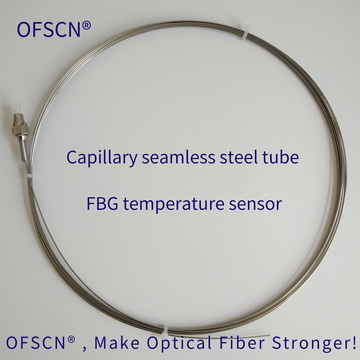
To overcome these disadvantages, OFSCN® utilizes seamless metal tube packaging and specialized fiber coatings. By eliminating adhesives in the sensing path, our sensors achieve true “waterproof” performance.

For liquid environments, we recommend the following professional-grade solutions:

Product Visuals:


Application Specifics

For specific water-based applications, such as measuring liquid levels or sub-surface strain, the choice of packaging material (Stainless Steel vs. Specialized Polymers) depends on the chemical composition of the liquid and the required pressure rating.

If you have a specific engineering scenario involving high-pressure underwater environments or corrosive liquids, please feel free to share the depth and chemical requirements for a more detailed technical assessment.