Compared to plastic housings, how does an all-metal construction prevent signal interruptions caused by thermal deformation in extreme environments?
The use of all-metal components in fiber optic connectors is critical because it addresses the physical limitations of polymers (plastics) when exposed to extreme thermal stress. In high-precision optical systems, even a micrometer-scale shift in the alignment of the fiber core can lead to significant signal attenuation or complete interruption.
Here is how all-metal construction prevents signal interruptions caused by thermal deformation:
1. Coefficient of Thermal Expansion (CTE) Matching
Plastic housings typically have a much higher Coefficient of Thermal Expansion compared to the glass fiber and the ceramic ferrule. In extreme environments, the plastic expands or contracts disproportionately, exerting mechanical stress on the internal fiber. All-metal components, particularly those using stainless steel or specialized alloys, offer a lower and more stable CTE that is more compatible with the internal optical assembly, ensuring the fiber remains centered.
2. Elimination of Material Creep and Softening
At high temperatures (e.g., above 100°C), most plastics reach their Glass Transition Temperature (T_g), where they become soft and prone to “creep” (permanent deformation under constant stress). This leads to the loosening of the connector’s mechanical grip, causing the fiber to tilt or retract. Metal components maintain their structural rigidity and elastic modulus across a much wider temperature range, preventing the geometric shifts that cause signal loss.
3. Enhanced Heat Dissipation and Shielding
Metal housings provide superior thermal conductivity, allowing for more uniform heat distribution across the connector. This prevents localized “hot spots” that could damage the fiber coating or the bonding adhesives. Furthermore, in harsh industrial environments, all-metal construction provides the ruggedness needed to resist physical impacts and vibration that would otherwise shatter or deform plastic alternatives.
Recommended High-Temperature Solutions
For environments where thermal stability is paramount, we offer specialized all-metal connectivity solutions:
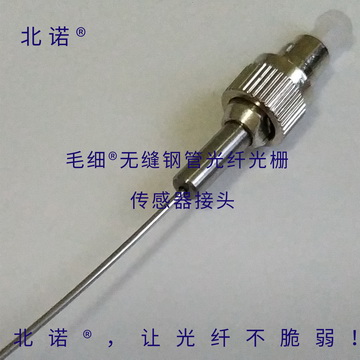
- OFSCN® 120℃ Fiber Optic Connector: Designed for stable performance up to 120°C using metal reinforced structures.
- OFSCN® 200℃ Fiber Optic Connector: Built for high-heat industrial applications, ensuring signal integrity where plastic connectors would fail.
Product Images:
If you are designing a system for a specific temperature range or mechanical environment, feel free to share the details so we can discuss the technical requirements further.