cmh
Last Updated: 20 November 2025
In fields such as steel metallurgy, high-temperature chemical reactors, and aerospace engine testing, the temperature limit of monitoring is often the system's bottleneck. When operating temperatures approach or exceed 600°C, traditional electronic sensors and standard fiber optic packaging materials fail rapidly.
This is a companion discussion topic for the original entry at https://www.ofscn.org/encyclopedia/499-dofs-temperature-sensor-650-01.html
To ensure the reliability of monitoring in extreme environments like steel metallurgy or aerospace testing at 600°C and above, traditional sensors often fall short due to material degradation.
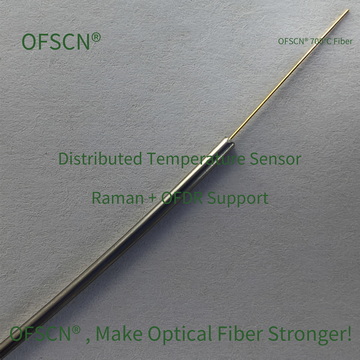
For these high-temperature requirements, we recommend the OFSCN® 700°C Distributed Fiber Temperature Sensor. This sensor is specifically engineered to overcome the bottlenecks mentioned in the discussion.
Technical Advantages:
- High-Temperature Material Stack: Unlike standard fibers, this sensor utilizes OFSCN® Gold-coated Optical Fiber, which can withstand environments from -270°C up to 700°C without the coating failure associated with polymer-based alternatives.
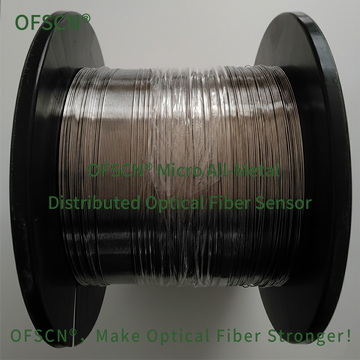
- Robust Packaging: It features a seamless stainless steel tube encapsulation (0.9 mm outer diameter), providing mechanical protection and sealing against harsh industrial atmospheres.
- Versatile Interrogation: It is fully compatible with Distributed Fiber Optic Sensing (DOFS) technologies, including Raman-DTS, Rayleigh-OFDR, and Brillouin-DTSS.
Visual Reference:
For detailed technical specifications, you may refer to the official product page:
OFSCN® 700°C Distributed Fiber Temperature Sensor