cmh
Last Updated: 20 November 2025
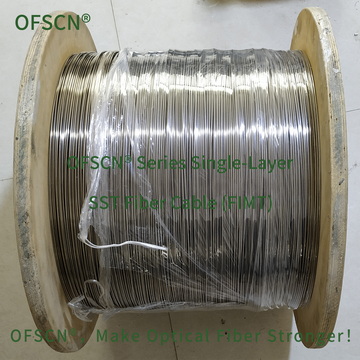
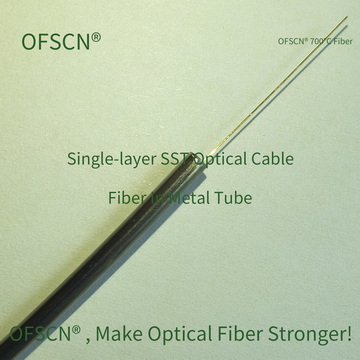
The capillary seamless steel tube encapsulation of the OFSCN® 650°C Distributed Fiber Optic Temperature Sensor is crucial for its endurance against the 650°C extreme temperature and harsh environments. However, industrial users often worry: Will this high-strength steel tube protection make field installation and wiring exceedingly difficult?
This is a companion discussion topic for the original entry at https://www.ofscn.org/encyclopedia/498-dofs-temperature-sensor-650-02.html
The use of a capillary seamless steel tube for the OFSCN® 650°C Distributed Fiber Optic Temperature Sensor is a specialized design that balances extreme environmental protection with the flexibility required for industrial deployment.
Regarding your question about field installation and wiring, here are the technical considerations for this specific packaging:
1. Flexibility and Minimum Bending Radius
Despite being made of high-strength 316L stainless steel or 825 alloy, the “capillary” nature of the tube (typically with a diameter as small as 0.9mm) allows it to remain flexible.
- Ease of Wiring: It can be routed similarly to a thick electrical wire. It is pliable enough to follow the contours of industrial equipment or be threaded through conduits.
- Bending Radius: Because the tube is thin-walled (typically 0.1mm to 0.2mm), it maintains a relatively small bending radius, which simplifies installation in tight spaces compared to bulkier armored cables.
2. Termination and Connection
Field wiring is simplified through standard optical interfaces:
- Pre-terminated Options: These sensors are typically supplied with FC/APC connectors and sealed ends, allowing for “plug-and-play” connection to interrogators.
- Fusion Splicing: The seamless steel tube can be stripped back using specialized tools, allowing the internal gold-coated fiber to be fusion-spliced if field repairs or custom lengths are required.
3. Mechanical Robustness
The primary advantage in field wiring is that the steel tube protects the fragile sensing fiber from:
- Crushing and Abrasion: Unlike polymer-jacketed fibers, this sensor can withstand mechanical stress during pulling through cable trays.
- Chemical Exposure: It remains resistant to corrosive agents often found in high-temperature industrial environments.
For more detailed technical specifications regarding the mechanical properties of these tubes, you can refer to the product page:
OFSCN® 650/700°C Seamless Steel Tube Fiber Cable
Product Images:
If you have a specific installation scenario or a particular layout challenge, please feel free to describe the environment (e.g., maximum temperature, presence of chemicals, or space constraints) for further technical analysis.