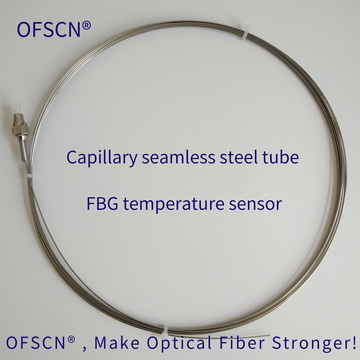
This article discusses the sensitivity of FBG temperature sensors from the perspective of thermal conductivity (temperature change conduction speed). In other words, it refers to the ability of FBG temperature sensors to detect accurate temperature changes in the shortest possible time (their response capability to rapidly changing temperatures). It also highlights the high sensitivity and fast thermal conduction of the encapsulation materials and structure used in the OFSCN® capillary seamless steel tube series FBG temperature sensors.
This is a companion discussion topic for the original entry at https://www.ofscn.net/fbg-baike/109-sensitivity.html
The sensitivity and thermal response speed of Fiber Bragg Grating (FBG) temperature sensors are critical for dynamic temperature monitoring. As noted in the discussion, the heat conduction speed determines how quickly the sensor can reach thermal equilibrium with the environment.
Technical Principles of FBG Temperature Sensitivity
The response time of an FBG temperature sensor is primarily influenced by the thermal resistance of its encapsulation layers. In traditional sensors using thick polymer jackets or heavy industrial housings, the heat transfer from the environment to the FBG core is delayed, leading to a “thermal lag.”
OFSCN® addresses this by utilizing a specialized capillary seamless steel tube encapsulation. This structure offers several technical advantages:
- High Thermal Conductivity: The stainless steel material conducts heat much faster than traditional plastic or composite coatings.
- Low Thermal Mass: By using ultra-thin capillary tubes (with diameters as small as 0.5mm to 0.9mm), the sensor has very little mass to heat up, allowing for near-instantaneous response to temperature fluctuations.
- Direct Contact: The seamless tube design ensures tight integration between the fiber and the protective shell, minimizing internal air gaps that would otherwise act as thermal insulators.
Related OFSCN® Products
Based on the temperature requirements of your application, the following sensors utilize this high-sensitivity seamless tube technology:
Standard Product Images:
For more detailed technical specifications regarding the response time in milliseconds or specific thermal coefficients, you may refer to the product links provided above.