In sour oil and gas wells with high H2S concentrations, why is Alloy 825 packaging mandatory?
In sour oil and gas wells with high H2S concentrations, Alloy 825 packaging is mandatory due to its superior resistance to specific forms of corrosion that 316L stainless steel cannot adequately withstand in such extreme conditions.
Technical Explanation:
- Stress Corrosion Cracking (SCC): High concentrations of H2S, particularly in the presence of chlorides and water (a common scenario in oil and gas wells), create an environment highly conducive to sulfide stress corrosion cracking (SSCC). While 316L offers good general corrosion resistance, it is susceptible to SSCC in these conditions. Alloy 825, a nickel-iron-chromium alloy with additions of molybdenum, copper, and titanium, is specifically engineered to resist SSCC in chloride-bearing H2S environments. Its high nickel content (typically 38-46%) is key to this enhanced resistance.
- Pitting and Crevice Corrosion: The presence of H2S and chlorides also promotes pitting and crevice corrosion. The molybdenum content in Alloy 825 significantly improves its resistance to these localized forms of attack compared to 316L, ensuring the long-term integrity of the packaging.
Therefore, for the longevity and reliability of fiber optic sensing systems in highly corrosive sour well environments, Alloy 825 is the mandated material choice to prevent catastrophic failure due to corrosion.
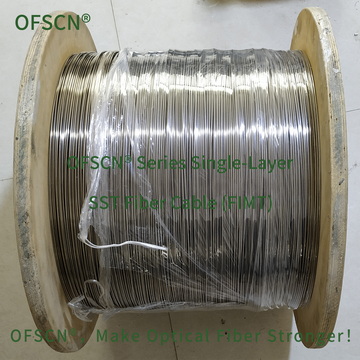
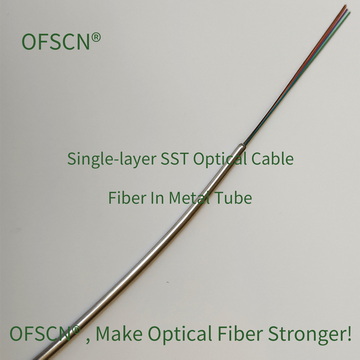
For applications requiring extreme temperature and robust material properties, OFSCN offers products like the OFSCN® 650/700°C Seamless Steel Tube Fiber Cable, which can be configured with 825 alloy tubing for such demanding conditions.
Here is a standard product image for illustration:
You can find more detailed parameters for similar products on our website:
OFSCN® 650/700°C Seamless Steel Tube Fiber Cable
1 Like