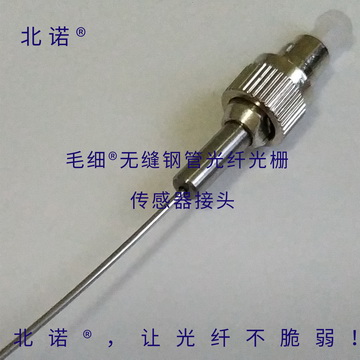
In extreme environments such as aerospace, oil & gas, and industrial automation, conventional fiber optic patch cords often fail under stress, leading to signal disruption due to mechanical damage or environmental strain. The OFSCN® 200℃ Fiber Optic Patch Cord, developed by Beijing Dacheng Yongsheng Technology Co., Ltd. (DCYS), offers unparalleled robust protection for demanding industrial conditions, thanks to its unique all-metal armored design.
This is a companion discussion topic for the original entry at https://www.ofscn.org/encyclopedia/461-high-temperature-200-01.html
The OFSCN® 200℃ Fiber Optic Patch Cord is a specialized solution designed to overcome the physical limitations of traditional fiber optic cables in harsh industrial environments. By utilizing an all-metal armored structure, it ensures signal integrity where standard plastic-jacketed cables would succumb to mechanical crushing or thermal degradation.
Key Technical Advantages:
- Industrial-Grade Robustness: Unlike conventional patch cords, this product features an 0.9mm stainless steel seamless tube as its primary protection layer. This provides excellent crush resistance and prevents micro-bending losses caused by external pressure.
- High-Temperature Stability: The internal fiber is a Polyimide-coated optical fiber, allowing the assembly to operate reliably in temperatures ranging from -60°C to +200°C.
- All-Metal Construction: For the 200°C variant, the cable dispenses with polymer jackets (like PVC or LSZH) that could outgas or melt, making it suitable for vacuum or high-heat industrial applications.
Product Specifications & Visuals:
- Core Components: Stainless steel seamless tube, Polyimide fiber, and high-temperature resistant connectors (FC/APC, FC/PC, ST, etc.).
- Mechanical Strength: High tensile strength and superior lateral pressure resistance.
Related Product Imagery:
Detailed Resource Links:
If you are dealing with specific mechanical stress or temperature requirements in your project, feel free to share the parameters for further technical evaluation.